
The Grounds
Gunston Hall's Grounds
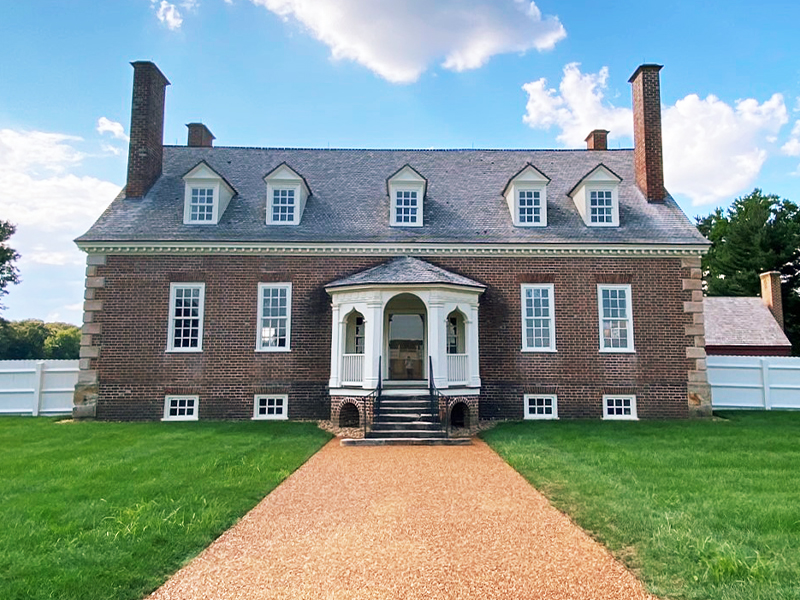
Both the interior and exterior of Gunston Hall demonstrated the Masons’ good taste and refinement. The room arrangement, carvings, wall coverings, and furnishings combined to present a gracious, fashionable home. Visitors to the newly constructed and decorated home had no doubt that the owners were cultured, stylish people.
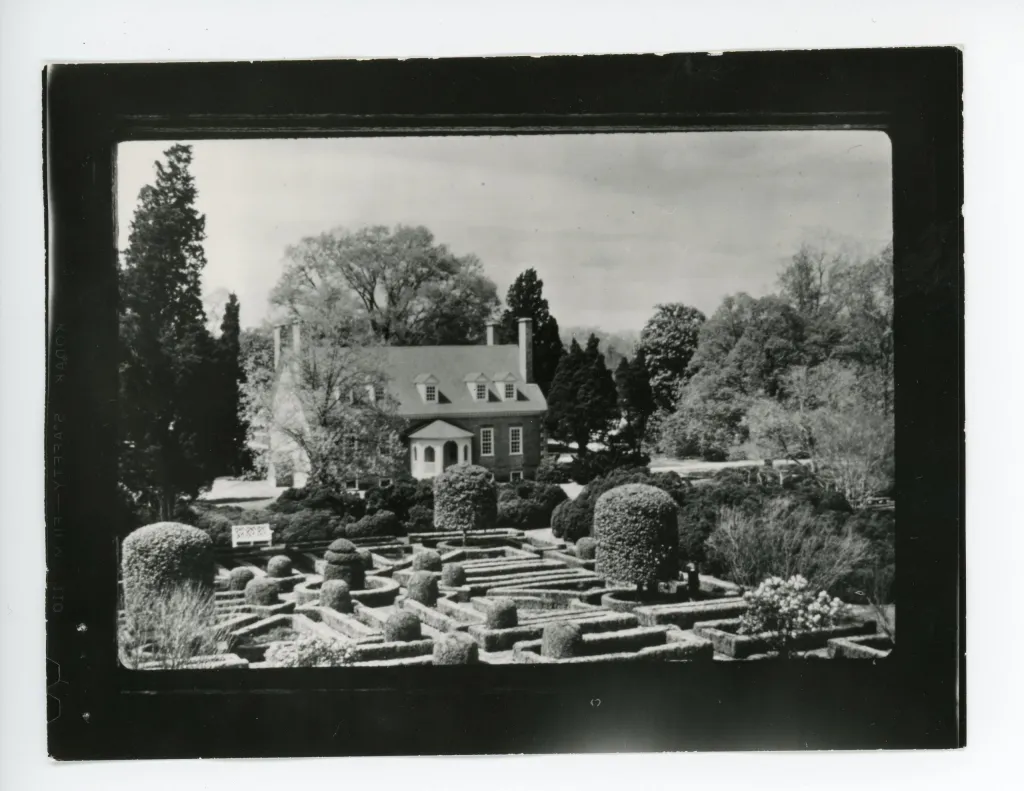
Outside told a similar story. George Mason shaped and interacted with the land in ways that underlined his status as one of the colony’s (and then state’s) leading planters, thinkers, and political actors. In fact, the landscape is arguably one of the most important extant documents of Mason’s personality and character. Mason self-consciously designed the setting for his home in ways that reflected European ideas of landscape, incorporating principles of perspective, symmetry, and grace. His careful arrangement of trees, walkways, fences, roads, etc. reminded his visitors of his education and leading role in Virginia society.

Picnicking on Gunston Hall's Grounds
Make the Mason home our own and enjoy a picnic lunch on the Gunston Hall grounds.
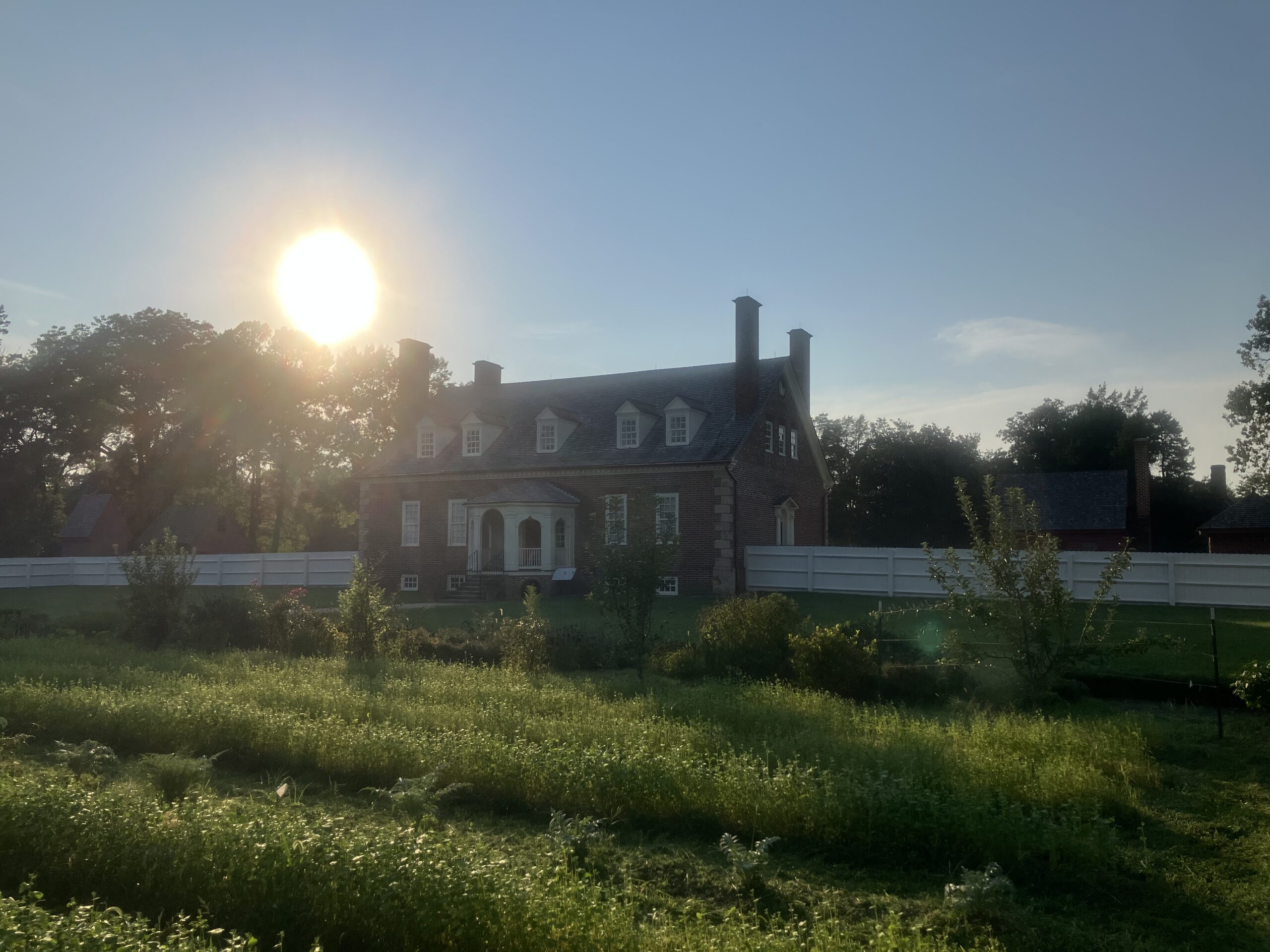
Gunston Hall’s grounds make the perfect setting for a picnic with your friends or loved ones. Whether you choose a spot underneath the famous oak tree, on our viewing mount overlooking the Potomac River, near the Mason Family Burying Ground, or a cozy spot near the Mason family home, there are beautiful views all over the property. You can enjoy your lunch either before or after your tour of George Mason’s historic home, or if you are not interested in a house tour, you can purchase a grounds pass to use the grounds for your picnic and activities for the entire day.
While you are eating, you may see archaeologists at work, wildlife, and tour groups walking the grounds. Feel free to ask Gunston Hall’s knowledgeable archaeologists and staff members any questions you may have while you are out enjoying the day on the grounds.
What's new on Gunston's Grounds?
Garden Project Background
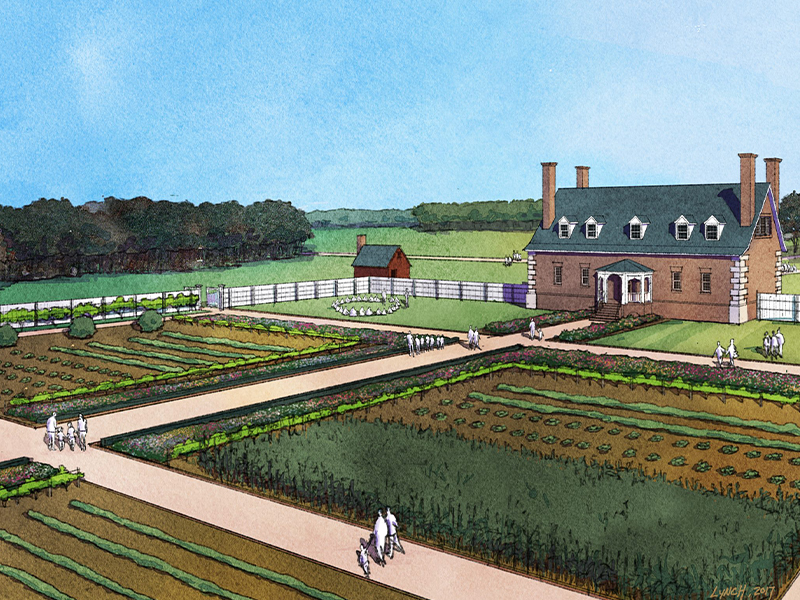
Based on The Recollections of John Mason and archaeological evidence, we believe the garden included three terraces on the riverside. The single terrace on view during the 20th and early 21st centuries was a later design feature. Gunston Hall staff, volunteers, and researchers discovered evidence of a central viewing mount, with the three terraces cascading below. The same width as the mansion, the viewing mount provided a spacious area for enjoying vistas of the deer park and the Potomac river.
Archaeological surveying yielded a great deal of information about the structure of the garden. Additional research has contributed to our understanding of the plants that were important to George Mason. Staff are selecting plants for the garden by consulting, also, research into what fruits, vegetables, flowers, and shrubs were available in the 18th century, with concessions made for vegetables that no longer exist as well as selections chosen for sustainability and disease resistance.
The decision to restore Mason’s Riverside Garden was made with a significant amount of planning and research by Gunston Hall staff and volunteers, outside firms and experts, and more. For this project, the team consulted 18th-century gardening texts, as well as the records of other gardens from the region that were constructed during the same time period. Archaeological surveys were also completed to better understand the traces of the garden that were left behind, such as post holes from the fence that enclosed the garden.
Exploring the Grounds
Choose one of three ways to purchase your grounds pass:
At the Visitor Center
Purchase a pass from a staff member in the visitor center.
Become a Member
Consider a membership, for a year’s worth of free general admission and unlimited grounds use.
For a more complete experience, purchase a general admission ticket. General admission tickets include
- All-day access to hiking trails and the rest of the grounds
- All-day access to the Visitor center exhibitions
- A timed ticket for a guided tour of the historic area